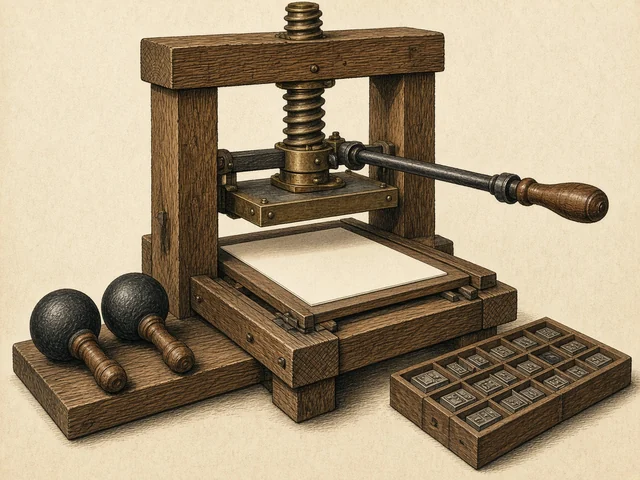
Metal type clicks in; the sheet is printed
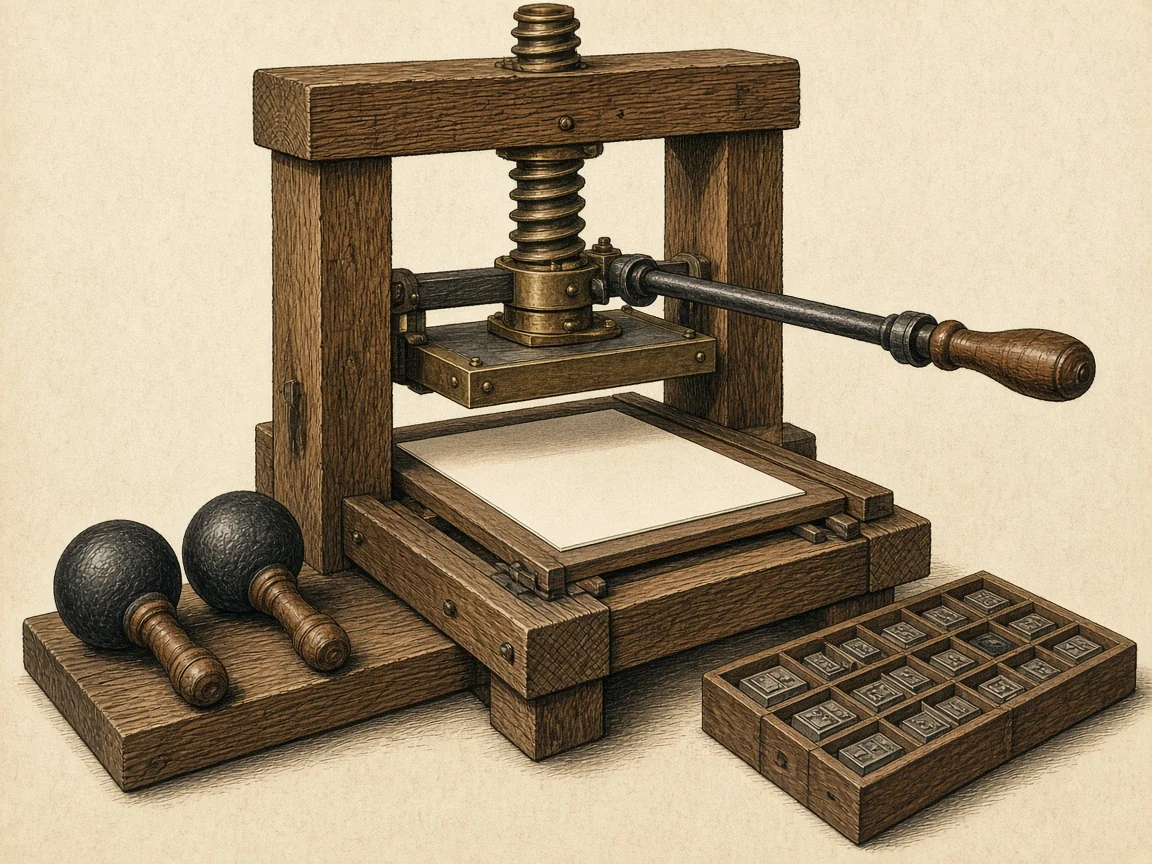
Reusable lead sorts lock into the wooden press. One pull of the bar stamps the entire folio cleanly, replacing hours of hand copying.
INTERACTIVE DOCUMENTARY · TWO ERAS, ONE QUESTION
The printing press, AI coding, and what happens when more people can create.
“When the tools of creation change, what becomes possible?”

02 / BEFORE THE MACHINE
Hand-copying a manuscript and engineering a software tool are both thoughtful, skilled crafts. Yet whenever making something demands long hours of specialized labor, most everyday ideas never get past the starting stack.
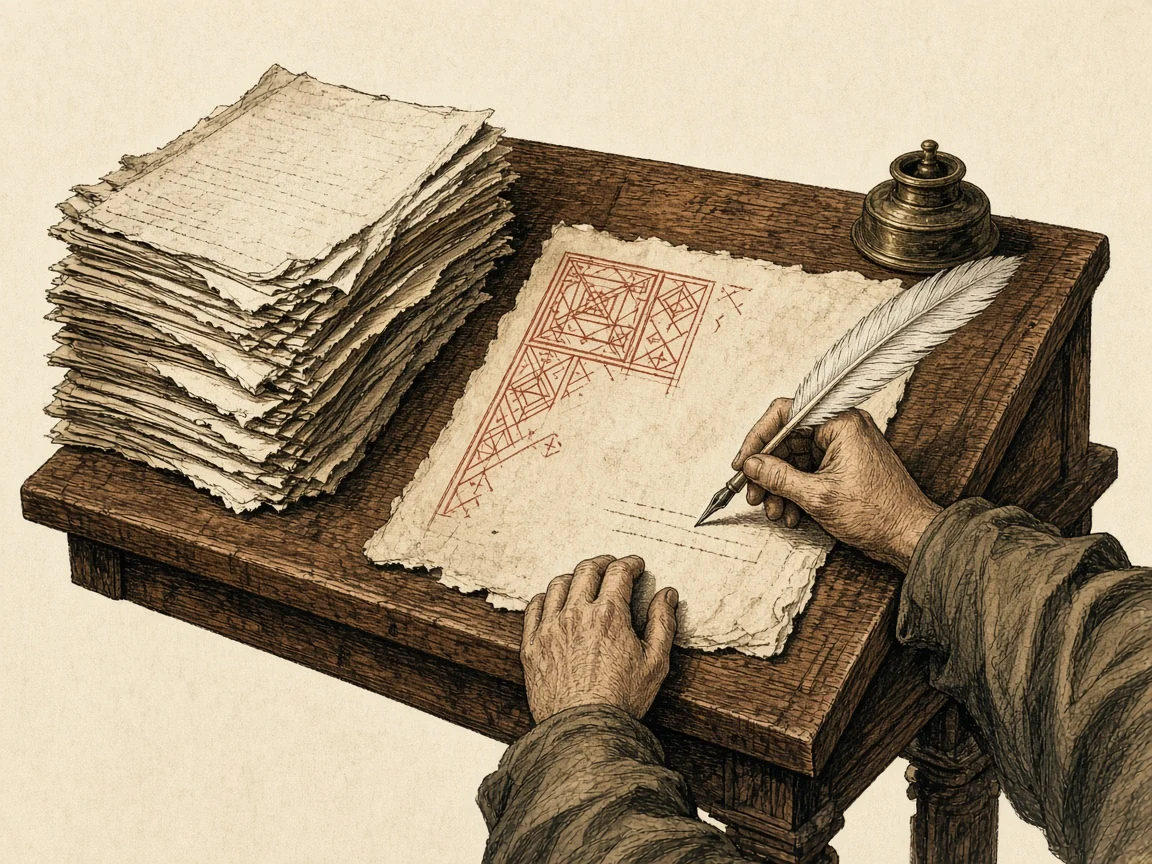
Each copy requires the full labor of a trained scribe; unfinished sheets pile up beside the slope.

Requirements, interfaces, edge cases, and tests accumulate in a backlog that small teams rarely clear.
03 / THE MECHANISM CHANGES
Reusable metal type clicks into a frame; the press descends and leaves an inked sheet. On the software side, a plain-language request becomes a proposed implementation, a visible preview, and a human check—until the page itself resolves into a working tool.
Unit 4B · Kitchen sink trap
Reported by tenant · Water shutoff checked
Without JavaScript: clicking “Schedule visit” changes Unit 4B from Reported to Scheduled and reveals the Tuesday 10:00–11:00 AM appointment slot.
Reusable lead sorts lock into the wooden press. One pull of the bar stamps the entire folio cleanly, replacing hours of hand copying.
The rectangular printed sheet becomes a code module and browser frame—matching the plain-language request for a duplex maintenance tracker.
Unit 4B · Kitchen sink trap
Reported by tenant
A printing press produces a sheet. Across the transformation, that same rectangular frame becomes a working browser application—responding directly to the written request.
04 / MORE PEOPLE, MORE POSSIBILITIES
Printing did not transform Europe overnight—its reach grew over generations alongside schools, bookshops, guilds, and rising literacy. Today, the larger question around AI coding is not lines of code per minute, but what everyday people build when software stops requiring a whole team.
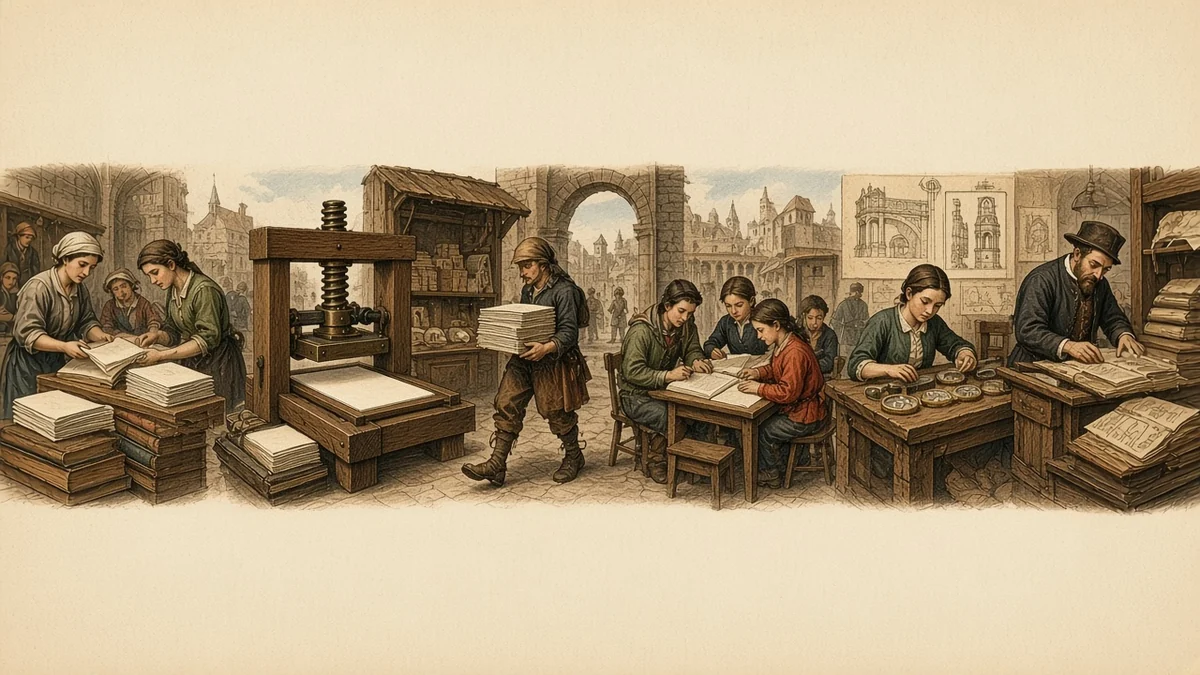
THREE EVERYDAY BUILDERS · LIVE DETERMINISTIC DEMOS

Maya builds a quick planner tailored to her class periods and hands-on supplies.
Equivalent Fractions · 30 min
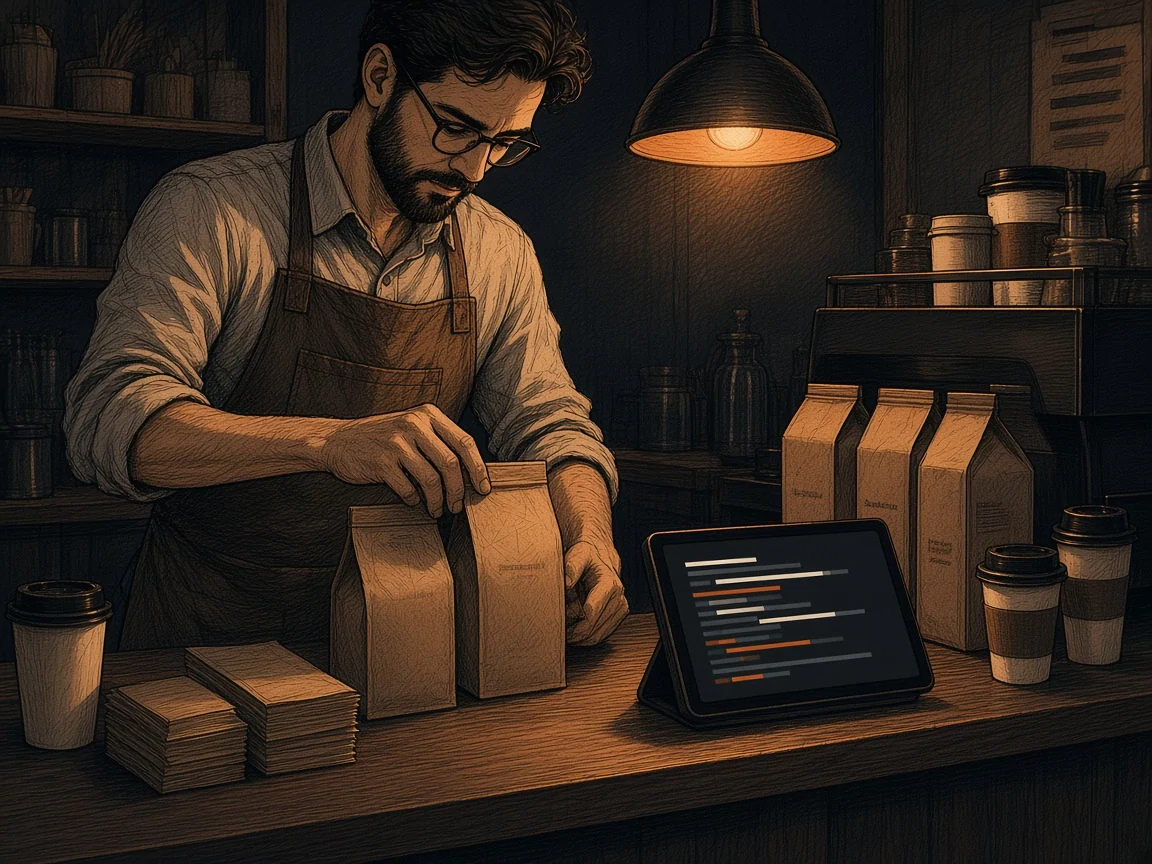
Hector tracks shelf stock and logs morning deliveries without double-counting the same invoice slip.
Delivery slip #408 ready: +6 Oat Milk cartons.

Nadia tracks repair requests across 14 units—synced directly with the tool transformed in Scene 3.
Unit 4B · Kitchen sink trap
Synced with Scene 3
Unit 2A · Porch fixture
Bulb & socket replaced
THE TWO PARALLELS IN VIEW
The mechanisms remain distinct: printing reproduces fixed text, whereas AI coding generates and modifies working software that still requires human judgment, review, and ongoing maintenance.
05 / JUDGMENT STILL MATTERS
Knowing what to make, checking whether it works, and deciding whom it serves remain human responsibilities.
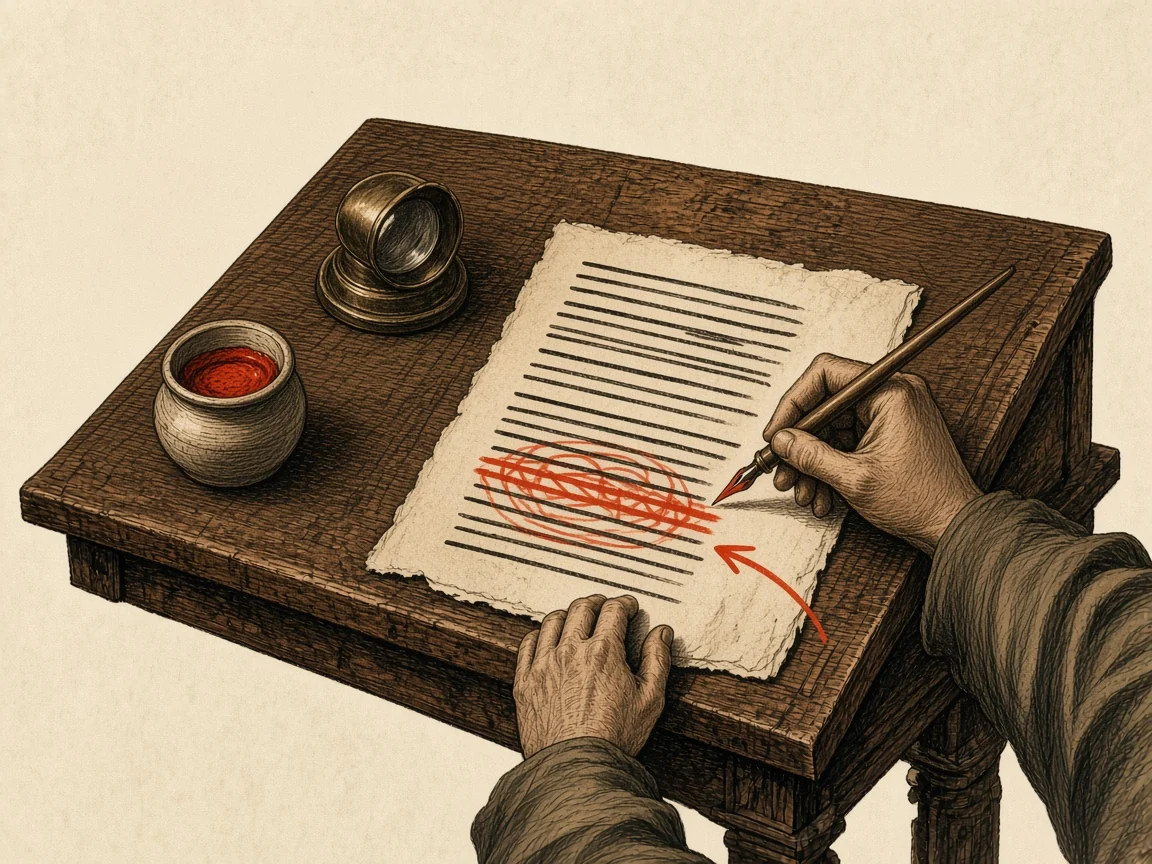
“On Tuesday the craftsman shall enter the dwelling without notice after tenant agrees to mend the kitchen basin.”
EDITOR NOTE · HOLD SECOND RUN UNTIL CORRECTED
A press faithfully repeats an error until a reader annotates the galley proof and an editor corrects the line.
- <button onClick={schedule}>Schedule visit</button>
+ <label><input type="checkbox" required /> Tenant confirmed Tue 10–11 AM</label>
+ <button disabled={!confirmed} onClick={schedule}>Schedule visit</button>
GENERATED APP BEHAVIOR
Before fix: the generated form misses the tenant-notice requirement. Click “Apply review fix” to patch it.
06 / THE FIRST DOMINO
Looking back at printing, it is easy to trace a line from cheaper reproduction to wider circulation and new uses of knowledge. Standing at the first domino of AI-assisted software creation, the later pieces are still open outlines.
A simplified sketch of connected shifts—not a single-cause explanation of literacy or social change.
Easier software creation is only the first piece. What follows depends on human needs, judgment, and choices.
OPEN QUESTIONS FOR EXPLORATION · NOT FORECASTS
Local shops, classrooms, clinics, and neighborhood groups run on dozens of tiny workflows too specific for off-the-shelf software. When building a narrow, reliable tool takes an afternoon instead of a quarter, many small frictions may get tailored answers—provided someone still checks the results.
Wider literacy didn’t merely produce more scribes; it reshaped trade, science, journalism, and everyday correspondence. Broader software literacy could similarly blur the boundary between domain expert and toolmaker, rewarding curiosity, cross-disciplinary judgment, and taste.
A printer in 1450s Mainz could picture Bibles and pamphlets, not scientific journals or modern reference libraries. The most consequential uses of any general-purpose medium tend to arrive long after the first generation of tools—and remain genuinely open.
DESIGN EDITIONS · SAME STORY, DIFFERENT CRAFTS
Oakweb maintains side-by-side editions of this feature so new design approaches can be added and compared over time without overwriting earlier work. Read the shared prompt & full model comparison →
This feature presents Boris Cherny’s comparison as an analogy and his outlook as his perspective. Historical claims are framed qualitatively for Gutenberg-era Europe without unverified statistics. Editorial illustrations depict fictional interpretive scenes rather than archival documents, and interactive demos are deterministic local examples with no external AI calls.
Nadia (reviewer) · review comment
“Don’t allow booking Tuesday until the tenant confirms they’ll be home. Add a required confirmation check.”